How to Write a Resume Summary, Headline, and an Objective
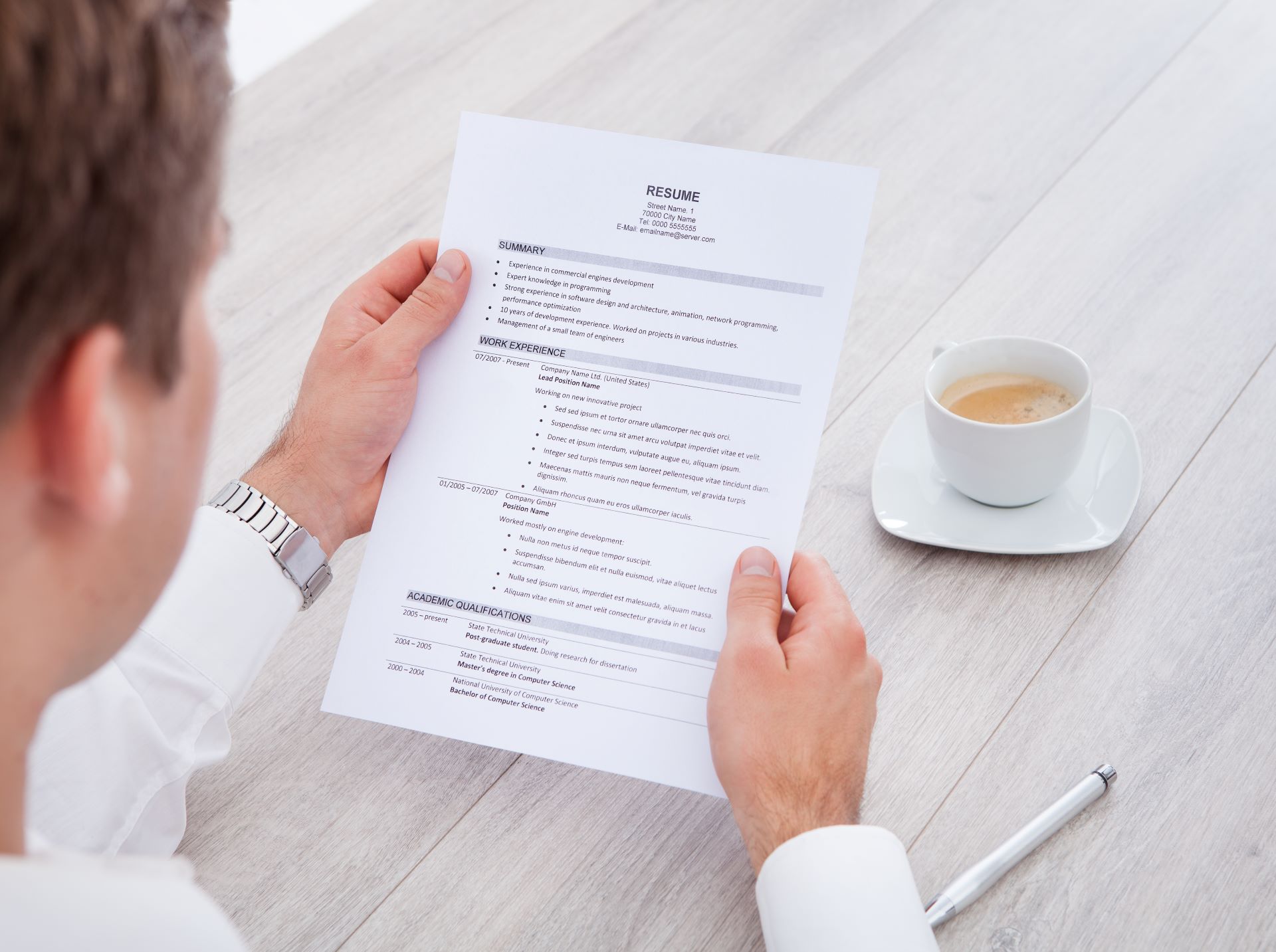
A resume’s summary, headline, and objective are all crucial elements in a properly formatted resume. These are the first elements the hiring manager will examine and should be customized for the job that you’re applying for. In Mount Gambier Resume, we specialize in providing resume writing services to assist you in standing out the competition. In this article, we will provide tips on how to write a resume summary including headlines, objective, and headlines.
Section 1 How to write an Executive Summary for your Resume
A Resume summary is a succinct paragraph at the top of your resume which summarizes your qualifications and experience. It should comprise a couple of sentences or bullet points and should emphasize your most pertinent qualifications and accomplishments.
- Make it as brief as possible Your resume is a brief overview of your experience and qualifications. Keep it to a few paragraphs or bullet points.
- Use keywords: Include keywords that are relevant to the job you’re applying for. This will allow your resume to be noticed by hiring managers as well as applicant tracking systems (ATS).
- You can tailor it to the position tailor your resume to the specific job which you’re trying to apply for. Highlight the skills and experience{ that are most|| which are| that are| most} relevant to the job.
- Incorporate your most recent and relevant experience: Make sure you highlight your latest and relevant experiences. This will prove to the manager who is hiring you that you’ve got the expertise and experience that they’re looking to hire.
- Ask for help from a professional you’re struggling to write your resume’s resume summary, or you need assistance in tailoring it to the jobyou want, think about seeking expert assistance from Mount Gambier Resume.
Section 2: How to Write the Headline of a Resume
A resume headline is a succinct headline at the top of your resume, which summarizes your qualifications and experience in a captivating and eye-catching way.
- Keep it short Your resume’s headline should be a brief statement. Limit it to a few words or a few sentences.
- Use keywords: Use keywords that are relevant to the job you’re applying for. This will allow your resume to get seen by managers who are hiring and applications tracking software (ATS).
- Tailor it to the job Your resume’s headline should be tailored specifically to the position that you’re applying to. Highlight the skills and experience which are most relevant to the position.
- Be creative: Use your imagination with your headline . Make your headline stand out.
- Consult a professional for assistance: If you’re having trouble writing your resume’s headline or help tailoring it to the position, consider getting assistance from a professional at Mount Gambier Resume.
Section 3 How to Write a Resume Objective
A resume objective is a paragraph at the top of your resume, which explains your career goals and the specific job that you’re applying for.
- Make it short Objectives for resumes should be a brief statement. Limit it to a couple of phrases or bullet points.
- Make it specific to the job The objective of your resume should be tailored for the specific job you’re applying for. Discuss how you’ll assist the company’s mission.
- Be specific Be specific about your goals for your career and how they will align with the position you’re applying to.
- Consult a professional for assistance: If you’re having trouble writing your resume’s objectives or help tailoring it to the jobrequirements, you should seek out professional assistance from Mount Gambier Resume.
By following these tips by following these guidelines, you can craft a resume summary, headline, and objective that effectively highlights your qualifications and experience. Create them according to the job that you’re applying for and seek professional help if needed. Mount Gambier Resume can also assist with the writing and make sure the resume is distinct from your competition.
In addition to a strong summary including a headline, objective, and a summary Be sure to include relevant work experience, education and abilities in your résumé. Use strong action verbs to define your previous roles and accomplishments. Also, highlight your achievements as often as possible. For instance, instead of simply saying "Helped customers with their concerns," say "Assisted over 100 customers each week with their product or service related questions, which resulted in 20 percent increase in customer satisfaction ratings.